
Vandaag of morgen in huis

Kwaliteit gegarandeerd

Welkomstaanbiedingen ontgrendelen: GRATIS bezorging | Tot 80% korting | Gratis 30 dagen JoyPlus-proefperiode
Download de app
A night cream for your face can help dry, tight or tired skin feel more comfortable. However, a jar featuring terms such as “anti-ageing”, “repairing” or “intensive hydration” is not automatically suitable for your skin. The formula, fragrances and texture often matter more than the marketing on the front.
It is especially worth checking the ingredients list and directions when choosing an anti-ageing night cream, an anti-wrinkle night cream or a product for sensitive skin. Below, you’ll find the key points to consider, along with some suitable product options.
Words such as “lifting”, “repair” and “collagen boost” sound convincing, but they do not always explain how the product will work for your skin. According to NIVEA’s own research, some Q10 products, for example, refer to results from instrumental, in-vitro or user tests. Such figures are not automatically a guarantee for every user.
So, focus on what can be verified:
A rich, nourishing face cream for night-time use can feel pleasant on dry or mature skin. On combination or oilier skin, however, a heavy texture may feel less comfortable. Do not choose solely on the basis of terms such as “intensive” or “rich”; also check for oils, butters, silicones and how the consistency is described.
A night cream for sensitive skin is not the same as just any hydrating night cream. Check for perfume and fragrance allergens such as linalool, limonene, citronellol or geraniol. Bakuchiol, retinol-like ingredients, acids and heavily fragranced botanical extracts may also be less suitable for some people.
Test a new product on a small area of skin first. Stop using it if irritation occurs, and seek advice from a doctor or pharmacist if skin problems persist.
A hydrating night cream often contains glycerine, panthenol, sodium hyaluronate or other humectants. Glycerine helps attract moisture, while shea butter, squalane and plant oils can help the skin feel more comfortable.
The combination of ingredients matters too. Hyaluronic acid can make the skin feel plumper on the surface by holding on to moisture, but it does not replace nourishing or protective ingredients. For dry skin, a formula containing both humectants and emollient oils or fats often makes more sense.
If your skin reacts easily to cosmetics, it is best to start with a fragrance-free night cream for sensitive skin. Always check the current packaging, as formulas can change. “Dermatologically tested” means that a product has been assessed in a particular testing environment; it does not mean that a reaction is ruled out for everyone.
For a simple night-time facial skincare routine, a cream that feels comfortable and provides sufficient hydration is often enough. If you are targeting visible lines, you may wish to look for Q10, niacinamide, peptides, bakuchiol or hyaluronic acid. Effectiveness and tolerance vary from one formula to another. Use the product as directed and do not introduce several new active products at once.
Apply the cream to a cleansed face. You may also include your neck. A small amount is usually sufficient; applying a thicker layer does not automatically make a formula more effective.
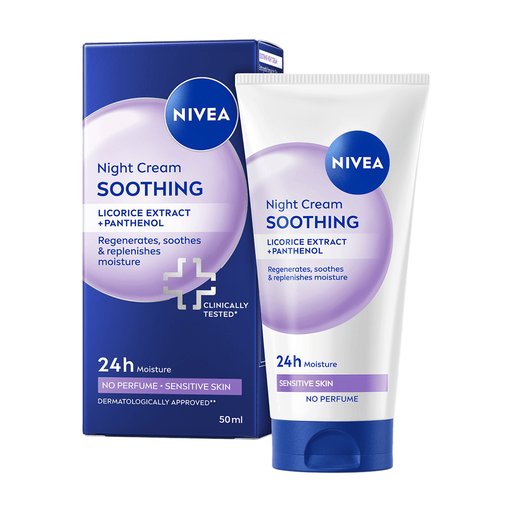
Why it suits this profile: A straightforward choice for anyone mainly looking for comfort and hydration, without perfume in the formula.
The product description states that it has a fragrance-free, pH-neutral formula. Check the packaging at the time of purchase for the latest information.
50 ml; glycerine, shea butter, panthenol and liquorice root extract are listed in the stated formula.
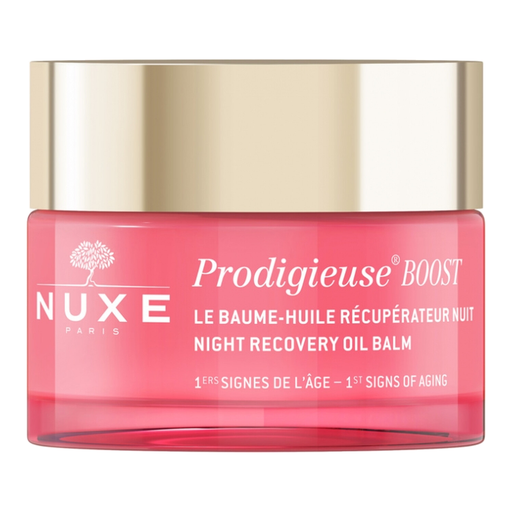
Why it suits this profile: Suitable for anyone who values a nourishing balm texture and a more comprehensive evening routine.
The description states that it has a non-comedogenic formula, but it does contain perfume and fragrance allergens. Not the first choice if you are sensitive to fragrance.
50 ml; macadamia oil and squalane; according to the product information, 92% of the ingredients are of natural origin.
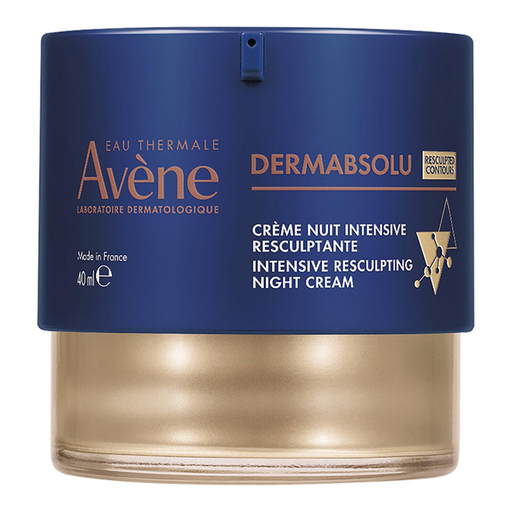
Why it suits this profile: Suitable for mature or dry skin looking for richer night-time care for the face, neck and décolletage.
The product information specifies the intended skin type, areas of application and use as a mask. The jar contains 40 ml; bear this in mind when comparing prices.
According to the product details, the formula contains bakuchiol, pro-ceramides and niacinamide; the product is listed as dermatologically tested and vegan.
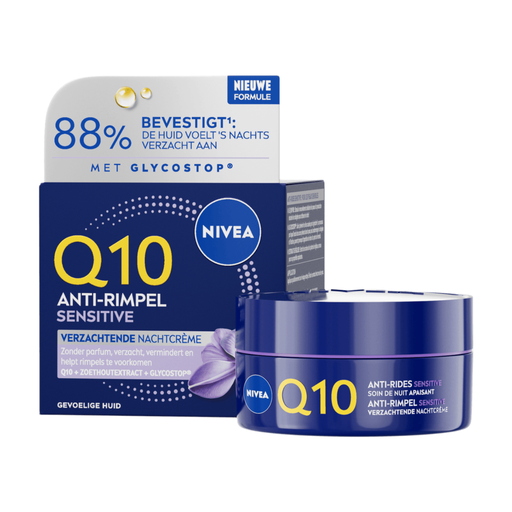
Why it suits this profile: A targeted option for anyone who wants to combine Q10, a fragrance-free formula and skincare for sensitive skin.
The claims regarding wrinkles and firmness are linked to tests cited by NIVEA involving limited numbers of participants. Treat this as brand information, not an individual result.
50 ml; Q10, creatine, panthenol and liquorice root extract; the stated formula is fragrance-free.
We have compiled a complete, up-to-date list of products that fully meet these strict selection criteria and the applicable European safety regulations.
Usually once each evening, after cleansing your face. When trying a new product, you may wish to start by using it every other day, especially if the formula contains active ingredients. Always follow the instructions on the packaging.
Check the expiry date and the open-jar symbol showing the period after opening, such as 12M. Store the cream in a cool, dry place, close the packaging securely and do not use the product if its scent, colour or texture has clearly changed.
Hyaluronic acid, often listed as sodium hyaluronate, is used for hydration and can fit into many skincare routines. The suitability of the product depends on the formula as a whole. So also check for perfume, alcohol, oils and other active ingredients, particularly if you have sensitive skin.
